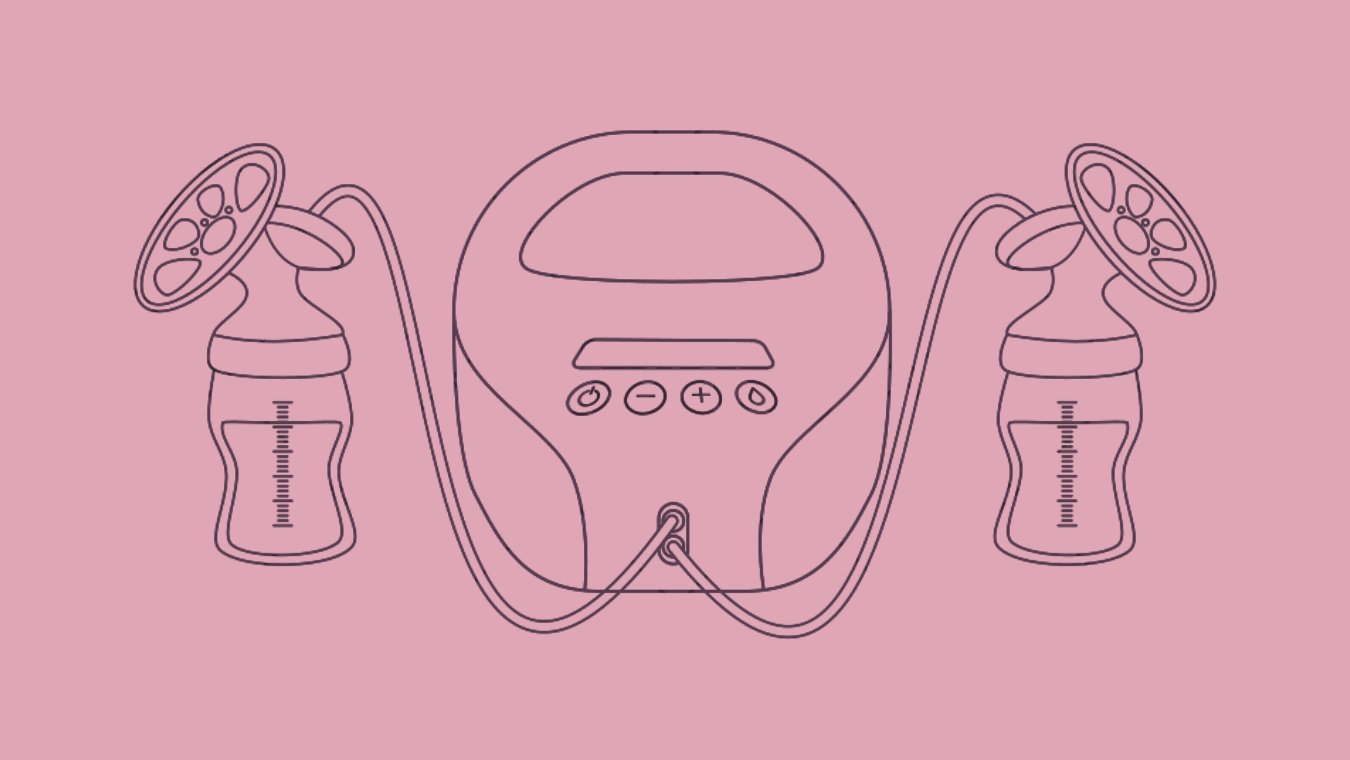
As I pulled out my breast pumps, preparing to sanitize them for their new homes, an unexpected wave of sadness washed over me. These were more than just machines. They were physical, tangible reminders of the struggles I had endured. They held all my hope—the hope that I could nourish my baby the way I had always imagined.
In the beginning, these pumps were symbols of determination. I believed that if I tried hard enough—if I pumped around the clock, took all the supplements, and followed every piece of advice—I could make breastfeeding work. Every pump session felt like proof that I was doing everything in my power to provide for my baby. I pictured myself succeeding, imagining the day when I would hold my baby close, both of us thriving in the bond that breastfeeding was supposed to create.
But reality doesn’t always follow our plans. The hope that I could meet my baby’s needs the way I envisioned faded as the months passed, and it became clear that no matter how hard I tried, the result wasn’t what I’d hoped for. These pumps, once filled with hope, began to feel like a weight I carried—physically and emotionally. The struggle to produce enough milk, the exhaustion of pumping every few hours, the disappointment after each session when I saw only a small amount of milk, if any, accumulating in the bottles. They started to represent the dreams I couldn’t make come true, rather than the solution I had hoped for.
I held onto three pumps—a Spectra, a little Ameda, and a Willow. I tucked them away in my son’s closet, telling myself I might need them again someday. But in truth, I wasn’t ready to face what they represented—the end of a journey I had once fought so hard to continue. Over time, they became something else entirely. No longer tools of hope, they became reminders of all the late nights, the exhaustion, the tiny amounts collected in the bottles that never seemed to be enough.
For a long time, they sat untouched. But as time went on, I started reevaluating what I truly needed to keep. I realized that holding onto these pumps wasn’t helping me move forward emotionally; it was keeping me stuck in the past—clinging to what wasn’t meant to be.
Two of my pumps went to expecting friends who didn’t have health insurance to cover the cost of a breast pump. The third went to a friend expecting twins. I knew what it was like to want so badly to provide for my baby, and I knew these pumps could help them in their own journeys. I felt a sense of fulfillment in knowing they could serve someone else, but it didn’t erase the emotions tied to letting go of them.
Still, it wasn’t easy to let them go. These pumps weren’t just devices—they were tied to so many emotions. They represented all the effort I had poured into trying to make breastfeeding work, all the hope and heartache. Would getting rid of them mean letting go of that part of my motherhood?
But as I packed them up, I realized something: I didn’t need these pumps to validate my experience. They had served their purpose, and now they could serve someone else. My love for my baby was never measured in ounces. Motherhood isn’t defined by how we feed our babies—it’s in the love we pour into them every single day, in the moments of tenderness, the giggles, the comfort, and the care. Those were the real indicators of my success as a mother.
Letting them go didn’t mean forgetting. It just meant I was ready to move forward. Letting go of these pumps wasn’t just about clearing space in my closet—it was a moment in my healing journey. For so long, I had held onto the idea that if I kept trying, I could make breastfeeding work. But when I finally decided to part with the pumps, I felt a weight lift off my shoulders. It was like letting go of a burden I hadn’t realized I was still carrying.
It wasn’t easy. There was hesitation, a lingering question about whether it meant I was giving up on breastfeeding my future babies. But I realized something important: I had already given everything I could, and that was enough.
Letting go of the pumps wasn’t about abandoning hope; it was about accepting that my motherhood was always going to look different from what I had imagined. And in that acceptance, I found peace. I made room for clarity and for a new perspective—one where love and effort, not the outcome, defined my motherhood.
As I went through this process, I found myself praying a lot. I needed peace, and I needed to know that this journey—however difficult—was part of a bigger plan. I began to trust more deeply that God had a unique path in mind for me as a mother, even if it wasn’t what I’d expected. Through prayer and reflection, I started to feel that God’s plan for me was perfect, even in its imperfections. I came to understand that the struggles I faced were part of a larger purpose—one that didn’t have to fit into my original vision. Letting go of the pumps didn’t mean I was letting go of my journey; it meant I was trusting more fully in His timing and in the path He’d set for me.
Letting go of these pumps doesn’t mean forgetting them. It means making room for something new. It means embracing what’s ahead and accepting where I am in my motherhood journey. I feel lighter now that they’re gone. I’m not carrying the weight of unmet expectations anymore. I’m not burdened by the idea that my success as a mother depended on whether or not I could breastfeed in the way I’d imagined. Instead, I’m focusing on the love and growth that are here, right now.
It’s a new chapter—one where I’ve let go of the past and made space for what lies ahead. To any mother who is struggling with similar feelings, I want you to know it’s okay to let go of what doesn’t serve you. It doesn’t take away from your love for your child, and it doesn’t diminish your efforts. Letting go creates space for healing and growth. It’s not about giving up; it’s about making peace with the path you’re on. Trust yourself, trust your path, and know that you are enough, just as you are.
Discover more from Feeling Sufficient
Subscribe to get the latest posts sent to your email.
